
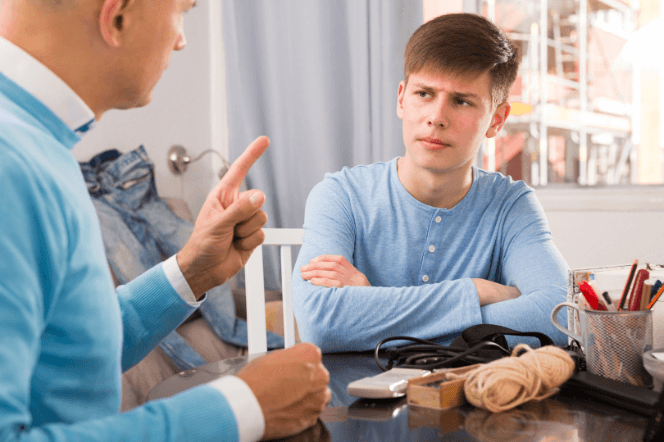
How to Stop Yelling at Your Kids as a Dad

 Facebook
There is a moment most fathers recognize.
Your voice gets louder than you intended. Your child’s face changes. The room goes quiet. And immediately, regret floods in. You tell yourself you will not do it again. But a few days later, exhaustion hits, stress builds, something small triggers you, and it happens again.
Many dads search privately for how to stop yelling at your kids as a dad not because they are violent or abusive, but because they are overwhelmed. They love their children deeply. They just do not like who they become when pressure peaks.
Yelling is rarely about the spilled milk or the ignored instruction. It is about cumulative stress reaching a breaking point.
Why dads yell even when they don’t want to
Yelling is often the nervous system’s fast response to feeling out of control. When you are overstimulated, underslept, financially stressed, or emotionally overloaded, your brain shifts into a threat response. Volume rises because control feels threatened.
Research from Child Development journals shows that parental stress strongly predicts reactive discipline behaviors, particularly in fathers who report high work-family pressure.
Yelling can feel effective in the moment because it stops behavior quickly. But the emotional cost lingers. It creates distance. It erodes trust. And it reinforces a cycle where authority depends on intensity rather than connection.
This pattern overlaps with the deeper dynamics explored in Anger Issues in Dads: Why It Happens and How to Break the Cycle, where anger is often pressure with nowhere else to go.
The difference between authority and fear
Many fathers worry that if they stop yelling, they will lose authority. The fear underneath is simple: if I do not raise my voice, they will not listen.
But authority built on fear is unstable. It requires escalation to maintain control. Authority built on calm consistency is slower to develop but stronger long term.
Studies from the American Academy of Pediatrics show that consistent, non-reactive discipline leads to better long-term behavioral outcomes than fear-based or reactive discipline.
Children respond not only to tone, but to emotional predictability. When a father becomes calmer, not weaker, children often become more regulated in response.
What happens inside your child when you yell
Yelling activates a child’s stress response. Even if they comply externally, their nervous system shifts into defense mode. Over time, repeated exposure to high-intensity reactions can increase anxiety and emotional withdrawal.
The Harvard Center on the Developing Child explains that chronic exposure to heightened stress responses in caregivers can shape how children regulate emotion and perceive safety.
This does not mean one raised voice causes permanent damage. It means patterns matter. Repair matters. Consistency matters.
A father who apologizes and explains after losing his temper teaches accountability. A father who pretends nothing happened teaches emotional avoidance.
The real reason yelling keeps happening
Most dads focus on the behavior in front of them. The ignored instruction. The tantrum. The back talk. But the real trigger often sits underneath.
You may be exhausted from work. Carrying financial pressure. Feeling unseen in your relationship. Worried about whether you are doing enough. These internal stressors compress your tolerance window.
This compression is closely linked to themes in Dad Burnout and Mental Exhaustion – How Fathers Can Recover, where emotional depletion narrows patience dramatically.
Yelling becomes less about discipline and more about emotional overflow.
How to stop yelling without becoming passive
Stopping yelling does not mean allowing chaos. It means shifting from reaction to intention.
The first shift is physical awareness. Notice your body before your voice rises. Tight chest. Clenched jaw. Faster breathing. These signals appear seconds before escalation. Pausing at that stage interrupts the cycle.
The second shift is reducing baseline stress. Anger management rarely works if overall stress remains untouched. Sleep, support, boundaries, and emotional outlets matter.
The third shift is relational repair. When you lose control, acknowledge it. Children learn strength from humility more than dominance.
Cognitive behavioral research consistently shows that awareness of physiological triggers combined with reframing responses significantly reduces reactive anger episodes.
The goal is not perfection. It is progress.
When yelling becomes a sign of something deeper
If yelling feels frequent, uncontrollable, or followed by intense guilt or shame, it may signal deeper emotional strain. Chronic irritability in fathers is sometimes linked to depression or anxiety rather than simple impatience.
The World Health Organization notes that depression in men often presents through irritability and aggression rather than sadness.
This is why reducing yelling sometimes requires addressing the root cause, not just the symptom.
You are not a bad dad for struggling
Many fathers believe yelling defines them. It does not. Avoiding growth defines patterns. Awareness breaks them.
Children do not need silent fathers. They need emotionally regulated ones. And regulation is learned, not inherited.
The moment you search how to stop yelling at your kids as a dad, you are already stepping outside the cycle. You are choosing awareness over denial.
Authority does not disappear when volume decreases. In many cases, it becomes stronger.
You do not have to be perfect to be safe. But you do have to be willing to change.
And that willingness is already strength.
Similar Blog
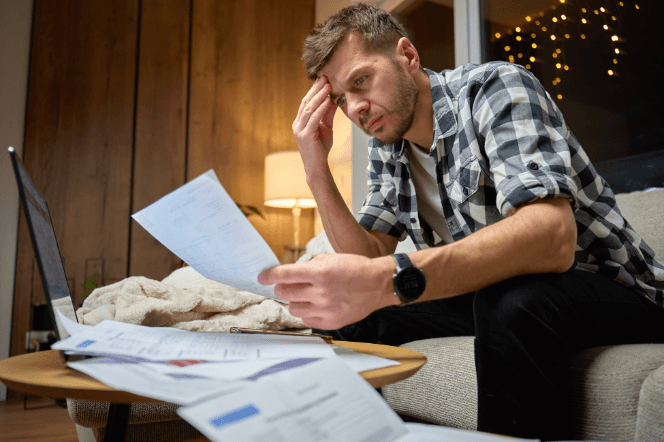
The Provider Pressure: When Being “The Strong One” Starts Breaking You
The pressure to provide financially weighs heavily on many fathers. This article explores the emotional cost of provider stress and how dads can balance work and family without breaking.
Read more

Anger Issues in Dads – Why Fathers Struggle With Anger & How to Stop
Many fathers struggle with anger but don’t understand where it comes from. This article explores why anger shows up in dads, how it affects families, and how to break the cycle.
Read more
Dad Depression Symptoms – Signs of Depression in Fathers
Depression in fathers often looks different from traditional symptoms. This article explores how depression shows up in dads, why it goes unnoticed, and what steps to take.
Read more