
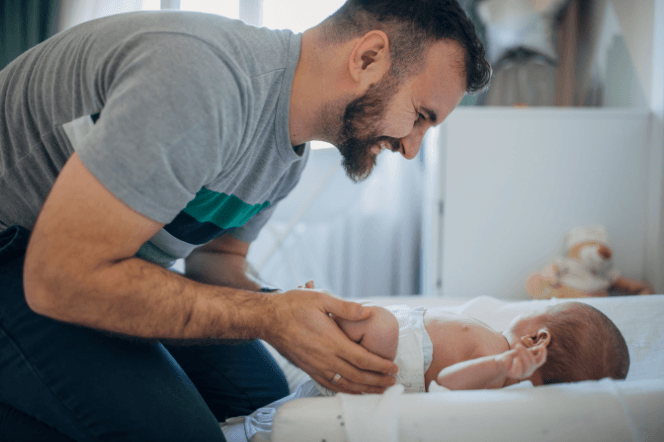
Becoming a Dad – How Fatherhood Changes You Emotionally

 Facebook
When people talk about becoming a dad, they usually focus on practical things like diapers, feeding schedules and sleepless nights. What almost no one talks about is how deeply it changes who you are. The moment you realize you are responsible for a tiny human, something shifts inside you. Your priorities change. Your fears grow. Your sense of identity starts to feel different.
Many new fathers are shocked by how emotional this transition is. You might feel intense love, but also anxiety, pressure and self-doubt. You may look at your child and feel overwhelming responsibility mixed with a quiet fear that you might not be enough. This is normal, even though most men never hear that it is.
That is why so many expecting fathers end up reading articles like When Becoming a Dad Changes How You See the World or searching online for reassurance that what they are feeling is not wrong.
The hidden emotional side of becoming a dad
Becoming a father often triggers a complete identity shift. You are no longer just yourself. You are someone’s dad. That can feel powerful, but it can also feel heavy. Men who were once independent suddenly find themselves tied to another human’s wellbeing. Every decision starts to feel bigger.
According to the American Psychological Association, major life transitions such as becoming a parent can trigger anxiety, emotional stress and even depression in men, especially when they feel unprepared or unsupported.
Many dads experience a quiet grief for their old life even while loving their new one. They might miss freedom, sleep or the simplicity of their past, and then feel guilty for missing those things. Articles like When You Love Your Baby but Feel Overwhelmed: The Truth New Dads Hide exist because so many men experience this emotional push and pull.
Why so many new fathers feel overwhelmed
Modern dads are expected to be everything. They are supposed to provide financially, be emotionally present, support their partner, bond with their child and still perform at work. That pressure builds quickly, especially when no one talks about how hard it actually is.
The Movember Foundation reports that men often struggle silently during early fatherhood because they do not feel comfortable admitting fear, stress or uncertainty.
Without a place to be honest, those emotions get trapped inside. That is when anxiety, irritability and emotional shutdown begin.
What helps fathers adjust to their new role
No one figures out fatherhood alone. The dads who adjust best are not the ones who have all the answers. They are the ones who have support.
Support for new fathers usually looks like this.
• Talking to other dads who are going through the same stage
• Being able to admit fear and uncertainty without judgment
• Learning that struggle does not mean failure
This is why articles like The First 30 Days with a Newborn: A Dad’s Emotional Survival Guide resonate so strongly. They give language to experiences that most men are afraid to say out loud.
Many new dads start by exploring the DadConnect Learn page, where real stories and guidance help normalize the emotional side of becoming a father.
People also ask
Is it normal to feel scared about becoming a dad? Yes. Fear is one of the most common emotions new fathers experience because responsibility suddenly feels very real.
Do men get depressed after having a baby? Yes. Paternal postnatal depression and anxiety are real and affect a significant number of new fathers.
Why do I feel disconnected from my old self? Becoming a dad changes your identity. It takes time to integrate who you were with who you are becoming.
You do not have to figure fatherhood out alone
Becoming a dad is one of the biggest emotional transitions a man will ever experience. It brings love, meaning and purpose, but it also brings fear, pressure and uncertainty.
You are not weak for feeling overwhelmed. You are human stepping into a life-changing role. Whether you begin by learning more through DadConnect’s resources or by connecting with other fathers who understand what you are going through, the most important thing is knowing that support exists.
Fatherhood is not meant to be walked alone.
Similar Blog
Scared to Be a Dad? The Fear of Becoming a Father Explained
Before the baby arrives, many men quietly wrestle with fear and anxiety about fatherhood. This article explores why that fear is normal and how to navigate it without shame.
Read more
When Becoming a Dad Changes How You See the World
A deep narrative on how becoming a father alters the way men experience time, responsibility, and meaning.
Read more
The Pressure to Step Up: The Emotional Cost of Early Fatherhood
A long-form narrative exploring the emotional weight placed on new fathers, how expectations form, and why early fatherhood often feels heavier than anticipated.
Read more