
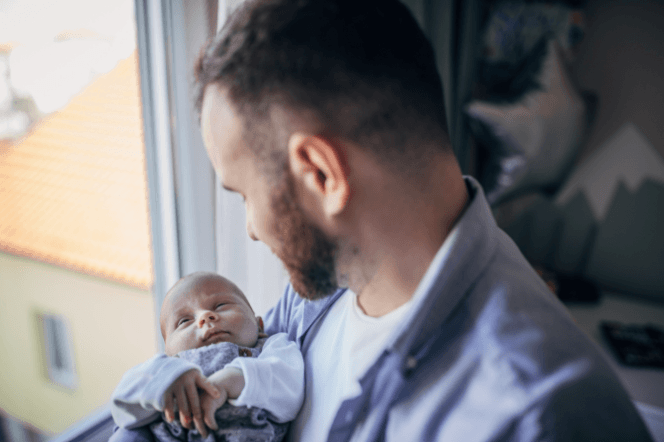
Scared to Be a Dad? The Fear of Becoming a Father Explained

 Facebook
Long before a baby is born, before hospital bags are packed or car seats are installed, there is often a quieter moment that catches men off guard. It is not joy. It is not pride. It is fear.
Not dramatic panic. Not visible distress. Just a low, persistent question humming in the background: What if I’m not ready for this?
Many men search privately for phrases like “scared to be a dad” or “fear of becoming a father” because they do not feel safe saying it out loud. There is an unspoken expectation that becoming a father should feel exciting and strong. Admitting fear can feel like admitting weakness before the journey even begins.
But fear is not weakness. It is awareness of responsibility.
The weight of responsibility hits before the baby does
When a man realizes he is about to become a father, something fundamental shifts. It is not only about a child arriving. It is about identity changing permanently. You are no longer just yourself. You are someone’s reference point for safety, stability, and protection.
This shift triggers anxiety because it raises the stakes of everything. Financial decisions feel heavier. Career choices feel permanent. Even small habits start to feel consequential.
Research published in BMC Pregnancy and Childbirth shows that expectant fathers frequently report anxiety related to financial pressure, competence, and relationship stability during pregnancy.
The fear is rarely about diapers. It is about whether you will be enough.
Why men rarely admit pre-fatherhood anxiety
Men are often socialized to equate fatherhood with strength. You are supposed to step into the role confidently. Calmly. Naturally. The idea that instinct will appear overnight is comforting, but unrealistic.
This emotional conflict is explored in The First 30 Days with a Newborn: A Dad’s Emotional Survival Guide, where excitement and insecurity often coexist in ways that feel contradictory.
Many expecting fathers stay silent because they believe fear signals incompetence. In reality, fear often signals investment. You are afraid because you care deeply about getting it right.
The specific fears most new dads won’t say out loud
The fear of not bonding instantly.
The fear of repeating your own father’s mistakes.
The fear of financial instability.
The fear of losing your relationship.
The fear that your child will one day see your flaws clearly.
These thoughts often arrive late at night, when distractions fade and responsibility feels most real.
The American Institute of Stress notes that major life transitions, including parenthood, activate the brain’s stress systems even when the event is positive, because unpredictability increases perceived threat.
Your brain is not malfunctioning. It is adjusting to a permanent expansion of responsibility.
When fear turns into quiet self-doubt
If fear lingers unprocessed, it can harden into self-doubt. You may start questioning your decisions more often. You may feel pressure to prove yourself before the baby is even born. You may withdraw emotionally to avoid confronting uncertainty.
This dynamic connects closely to The Fear of Failing Your Child Before You Even Start, where many fathers describe feeling judged by a role they have not yet stepped fully into.
Fear does not mean you are unprepared. It means you understand the magnitude of what is coming.
What actually helps before the baby arrives
The most stabilizing shift for expecting fathers is not eliminating fear, but normalizing it.
Talking with other dads who have lived through the same anxiety often reduces its intensity immediately. Exposure to real stories, rather than idealized images of fatherhood, replaces catastrophic thinking with realistic perspective.
Preparation also helps, but not in the way most people assume. It is less about mastering technical skills and more about adjusting emotionally. Accepting that bonding grows. That confidence develops. That mistakes will happen and can be repaired.
Fear softens when it is named.
You are not broken for being afraid
There is a narrative that says good fathers feel ready. The truth is that many good fathers feel terrified first.
The presence of fear does not predict failure. Ignoring it sometimes does.
Becoming a dad is one of the largest psychological transitions a man will experience. Anxiety before that shift is not weakness. It is a natural response to stepping into a role that reshapes your identity permanently.
The men who care the most often worry the most.
And worry, when handled honestly, can transform into intention.
Similar Blog
Becoming a Dad – How Fatherhood Changes You Emotionally
Many men are surprised by how deeply fatherhood changes them. This article explores the emotional, psychological and identity shifts that come with becoming a dad and how to navigate them with confidence and support.
Read more
When Becoming a Dad Changes How You See the World
A deep narrative on how becoming a father alters the way men experience time, responsibility, and meaning.
Read more
The Pressure to Step Up: The Emotional Cost of Early Fatherhood
A long-form narrative exploring the emotional weight placed on new fathers, how expectations form, and why early fatherhood often feels heavier than anticipated.
Read more