
When You Love Your Baby but Feel Overwhelmed: The Truth New Dads Hide

 Facebook
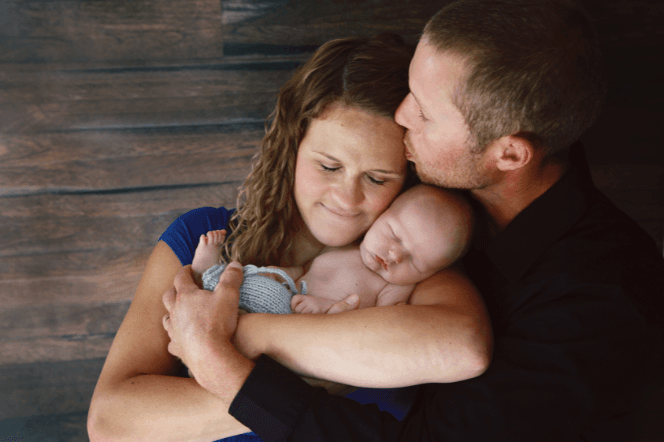
There is a moment many new fathers experience but rarely talk about. You are holding your baby, feeling a deep sense of love, responsibility, and connection, and at the same time feeling emotionally flooded, mentally tired, and unsure of how long you can keep going like this. These two realities exist together, not as opposites, but as part of the same experience. You can love your child completely and still feel overwhelmed by the weight of becoming responsible for another life. The problem is not the feeling itself. The problem is believing you are not allowed to have it.
This emotional contradiction often catches fathers off guard. Before the baby arrives, most men imagine that love will somehow make everything easier. They expect it to soften the edges of stress and erase doubt. Instead, love makes everything feel bigger. The responsibility feels heavier, the fear feels sharper, and the pressure to do things right becomes more intense. Overwhelm does not mean you are failing. It means your emotional system is trying to adjust to something that matters deeply.
Why no one prepares you for this feeling
Most conversations about new fatherhood focus on preparation. You learn what to buy, how to hold the baby, and how to set up the house. Very few people talk about what happens inside you when your identity begins to shift. Your sense of self quietly changes, and the version of you that existed before fatherhood starts to feel distant. This internal transition can be unsettling, especially when you cannot fully explain it to yourself.
Many fathers describe this inner shift as a quiet pressure to “step up,” a theme explored in The Pressure to Step Up: The Emotional Cost of Early Fatherhood.
Without a language for this transformation, many men feel isolated inside their own experience.
How exhaustion amplifies emotional overload
Sleep deprivation does more than make you tired. It alters how your brain processes stress, emotion, and memory. When rest is scarce, your nervous system remains in a constant state of alert. You may feel more reactive, more anxious, and less able to regulate your emotions, even when you desperately want to.
Research from the American Psychological Association shows that ongoing sleep disruption weakens emotional regulation and increases vulnerability to stress and anxiety, making it harder for new fathers to manage overwhelming emotions.
This helps explain why overwhelm often intensifies during the newborn stage, even when fathers are deeply committed to their role.
The quiet pressure to hold everything together
Many fathers grow up believing that strength means endurance. They tell themselves that their job is to cope, to provide, and to stay calm no matter what they feel inside. When fatherhood challenges their emotional limits, they often respond by pushing those feelings down rather than expressing them. This silence can create distance from their partner, their child, and even themselves.
This pattern is deeply connected to how many fathers learn to bottle up stress rather than process it, a dynamic explored in Why Fathers Bottle Up Stress and What It Does to Them.
Naming what you feel is not a failure of strength. It is an act of honesty.
When bonding feels harder than expected
Some fathers feel ashamed when bonding does not feel instant. They may worry that something is wrong with them or that they are not meant for this role. In reality, emotional connection develops through repetition and presence, not immediate certainty.
Over time, children sense emotional presence long before words, something explored in How Kids Learn Emotional Safety from Their Father.
Understanding that bonding is a process helps fathers release unrealistic expectations and meet themselves with compassion.
Why support changes everything
Isolation magnifies overwhelm. When fathers believe they are alone in their experience, fear and doubt grow louder. Hearing others speak honestly about their struggles often brings relief, because it reminds you that this emotional journey is shared.
Many fathers begin this connection through the DadConnect Blog, where stories across fatherhood stages normalize emotional complexity.
Others explore tools through DadConnect Learn, where guidance supports emotional growth.
For those seeking a starting point, the DadConnect homepage offers access to a community built on understanding.
Learning to live inside the change
Overwhelm does not mean this stage will last forever. As routines form and confidence grows, the emotional weight slowly shifts. You begin to recognize your own resilience, not because things become easy, but because you see yourself adapting.
The love you feel does not disappear when things are hard. It deepens, becoming part of who you are.
Similar Blog
Why Some Dads Feel Disconnected from Their Newborn (And What That Really Means)
Many fathers quietly struggle with feeling disconnected from their newborn. This article explores why early father-baby bonding can feel delayed, what research says about paternal attachment, and how dads can build emotional connection without shame or pressure.
Read more

New Dads and Night Struggles – Why the Nights Feel So Hard
Many fathers find the nights with a newborn emotionally harder than the days. This article explains why nighttime intensifies stress for new dads and how to navigate it with more clarity and self-compassion.
Read more
First Weeks With a Newborn – Why New Dads Feel Overwhelmed
Many fathers are shocked by how emotionally difficult the first weeks with a newborn feel. This article explores why the early newborn phase is so intense for dads and how to navigate it without shame.
Read more