
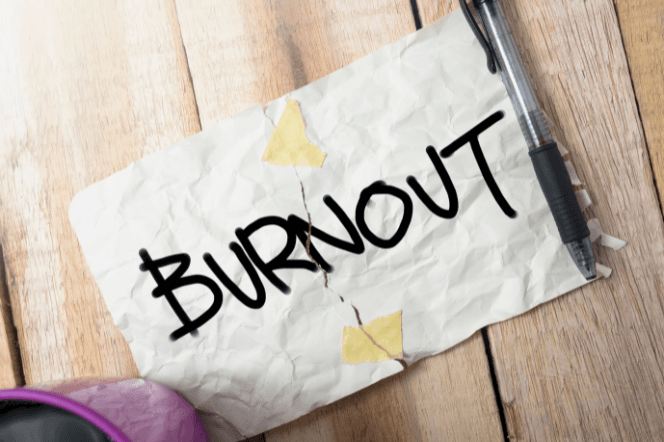
Father Burnout: When Responsibility Becomes Overwhelming

 Facebook
What does burnout actually look like in fathers?
Burnout in fathers rarely announces itself as collapse. It doesn’t always look like panic attacks, breakdowns, or dramatic moments where everything stops. More often, it shows up quietly, disguised as endurance. As showing up anyway. As continuing to function while something inside slowly erodes.
A burned-out father still goes to work. Still provides. Still helps with bedtime. Still answers messages. From the outside, life appears intact. But internally, the experience is different. Energy becomes harder to access. Joy feels muted. Patience runs thin in moments that used to feel manageable. Small stresses feel disproportionately heavy, not because they are new, but because there is nothing left in reserve.
This is what makes father burnout difficult to recognize. It hides behind responsibility. It blends into routine. And because many dads have been conditioned to equate worth with reliability, burnout often feels like something to push through rather than something to address. The result is a slow grinding down of emotional capacity that can last for months, or years, without ever being named.
Why responsibility hits fathers differently
Responsibility in fatherhood isn’t just about tasks. It’s about identity.
Many fathers experience responsibility as something that cannot be dropped, delegated, or visibly questioned. Providing, protecting, stabilizing, these roles often come with an unspoken rule: you don’t get to stop. Even when you’re exhausted. Even when you’re unsure. Even when you’re overwhelmed.
What makes this particularly heavy is that responsibility doesn’t pause when emotional resources are low. Bills still arrive. Work still demands performance. Children still need presence. Partners still need support. There is rarely a socially acceptable moment for a father to say, “I can’t carry this today.”
Over time, this creates a psychological bind. The more responsible you are, the less permission you feel to struggle. And the less you acknowledge struggle, the more isolated you become inside it. This is where burnout begins, not with too much work alone, but with too much weight carried in silence.
This dynamic connects closely with what we explored in Why Dads Bottle Up Stress Instead of Talking About It, because unspoken stress is often the fuel that keeps burnout alive.
Why fathers don’t realize they’re burned out until it’s advanced
Burnout creeps in gradually, which makes it easy to normalize. You tell yourself this is just what adulthood feels like. That everyone is tired. That this is the cost of being dependable. And because fathers often compare themselves to an ideal of strength rather than wellbeing, they dismiss early warning signs as weakness or lack of discipline.
But burnout isn’t a motivation problem. It’s a capacity problem.
One of the clearest signs is emotional flattening. Not intense sadness, but absence. The feeling that nothing really lands anymore. You care, but from a distance. You love your child, but the emotional spark feels dulled. You’re present, but not fully there. This emotional numbness often overlaps with what we described in The Loneliness No One Talks About in Fatherhood, because burnout and loneliness tend to reinforce each other.
Another sign is irritability that feels out of character. Not explosive anger, but a constant edge. A sense that everything requires more effort than it should. These reactions are often misinterpreted as personality changes, when they’re actually signals that the system is overloaded.
What burnout costs fathers beyond exhaustion
Burnout doesn’t just drain energy, it reshapes relationships.
When a father is burned out, emotional availability becomes harder. Conversations feel effortful. Listening requires more patience than feels available. Even positive moments can feel strangely demanding, not because they aren’t meaningful, but because there’s no space left to receive them fully.
This has a ripple effect. Children are sensitive to emotional presence, especially during the toddler and child years. They may not understand burnout, but they feel its absence. The father is there, yet slightly unreachable. Over time, this can create distance that neither side knows how to name.
Burnout also affects self-perception. Many fathers begin to feel disconnected from who they were before life became so heavy. They may describe themselves as “not myself anymore” without being able to explain what changed. What changed wasn’t character, it was capacity.
Why rest alone doesn’t fix father burnout
One of the most frustrating aspects of burnout is that rest often doesn’t work the way dads expect it to. A night of sleep helps, but doesn’t restore. A weekend off feels good, but temporary. The exhaustion returns quickly, because burnout isn’t caused by lack of rest alone, it’s caused by sustained pressure without emotional recovery.
Recovery requires relief, not just rest. Relief from always being the one who holds things together. Relief from being needed without being supported. Relief from carrying responsibility without being able to set it down, even briefly.
This is why burnout persists even in dads who “do everything right.” Exercise, healthy habits, discipline, these matter, but they don’t replace emotional processing. Without a place to offload pressure safely, burnout finds ways to stay.
What actually helps fathers recover from burnout
Recovery doesn’t start with doing more. It starts with allowing less to stay unspoken.
For many fathers, the first step is simply naming burnout internally, without judgment. Recognizing that exhaustion isn’t failure, and overwhelm isn’t weakness. It’s a signal that the load has exceeded capacity for too long.
What helps next is shared understanding. Talking to other fathers who don’t need explanations. Who don’t minimize or compare. Who understand that loving your family deeply doesn’t protect you from burnout, it can actually intensify it.
This is where father-focused spaces become valuable, not as therapy, but as normalization. As reminders that burnout is common, survivable, and reversible when pressure is no longer carried alone. Community doesn’t fix burnout instantly, but it interrupts the isolation that keeps it stuck.
If you want a parenting-side perspective, this also ties back to How Dads Create Emotional Safety for Their Children, because a father’s recovery directly affects the emotional environment at home.
A final reflection
Father burnout isn’t about being incapable. It’s about being human in a role that rarely pauses. It develops when responsibility becomes constant and support becomes conditional or nonexistent.
Burnout doesn’t mean you love your family less. It means you’ve been giving without being replenished. And while endurance is admirable, sustainability matters more.
The quiet truth is this: fathers don’t need to become less responsible. They need permission to stop carrying everything alone. Because responsibility shared is manageable. Responsibility shouldered in silence eventually becomes overwhelming.
Similar Blog

The Provider Pressure: When Being “The Strong One” Starts Breaking You
The pressure to provide financially weighs heavily on many fathers. This article explores the emotional cost of provider stress and how dads can balance work and family without breaking.
Read more
How to Stop Yelling at Your Kids as a Dad
Many fathers yell more than they want to and feel guilt afterward. This article explains why yelling happens and how dads can regain emotional control without feeling weak.
Read more
Anger Issues in Dads – Why Fathers Struggle With Anger & How to Stop
Many fathers struggle with anger but don’t understand where it comes from. This article explores why anger shows up in dads, how it affects families, and how to break the cycle.
Read more