

Why Kids Open Up More to Some Fathers Than Others

 Facebook
Why do some children talk freely with their dads, while others stay silent?
It’s a question many fathers carry quietly, often without ever putting it into words. You notice it in small ways: the one-word answers, the shrug instead of a story, the way your child suddenly becomes guarded when feelings come up. Sometimes it’s subtle enough that you almost convince yourself it’s nothing, just a phase, just personality. Other times, it lands heavier. You sense there’s more beneath the surface, but you don’t know how to reach it.
It’s tempting to believe that some kids are simply more open than others, or that some dads are naturally better at talking. But children don’t open up because of temperament alone. They open up because of experience. Because over time, they’ve learned, often without realizing it, whether sharing leads to closeness or to discomfort, whether honesty brings relief or creates tension, whether their inner world is something that can exist safely between them and their father.
Children test this early, in small doses. A comment about school. A complaint about a friend. A half-formed fear before bedtime. These moments are rarely dramatic, but they are decisive. Each one quietly teaches the child whether speaking brings connection or distance.
What makes a child feel safe enough to speak honestly?
Children don’t open up because they’re encouraged to “talk about their feelings.” They open up when their nervous system feels safe. Safety, for a child, isn’t about always being comforted or agreed with. It’s about knowing that emotions won’t threaten the relationship itself.
A child who feels emotionally safe doesn’t worry that anger will push dad away, or that sadness will be met with impatience, or that fear will be brushed aside. They sense, through repeated experience, that even when something goes wrong, the bond remains intact. This is why emotional safety is so closely tied to openness. When children don’t have to protect the relationship, they’re freer to reveal themselves.
This idea connects closely to how children develop confidence and self-trust. When a child feels safe expressing uncertainty or discomfort, they’re also more willing to try, to risk being wrong, and to ask for help. We explored this dynamic more deeply in How Dads Build Confidence in Their Kids (Without Pressure), where confidence grows not from praise, but from knowing effort and honesty are welcome.
Developmental research often describes this process as “serve and return”, the way children offer emotional signals and learn, through adult responses, whether those signals will be met or missed. Over time, consistent, attuned responses shape how willing a child is to keep reaching outward.
How everyday reactions teach children what to share and what to hide
Most of what teaches a child whether to open up happens in moments that feel completely ordinary. The car ride home. A comment made while brushing teeth. A half-mumbled sentence as the lights go out.
A child shares something awkward or uncomfortable, not knowing yet how important it is. The father’s response, often automatic, sets a precedent. If the response is calm, curious, and emotionally available, the door stays open. If it’s dismissive, distracted, or emotionally charged, the door closes just a little.
Children are remarkably attuned to emotional shifts. They notice when a father stiffens, becomes impatient, or pulls away. They learn which topics seem to create tension, which emotions feel unwelcome, which conversations end abruptly. Slowly, they begin to edit themselves. Not because they don’t want to talk, but because they’re trying to preserve connection.
This filtering often shows up later as silence. But silence isn’t emptiness—it’s information. It reflects what a child has learned about what is safe to bring forward. This is closely tied to emotional safety, a theme we explored more deeply in How Dads Create Emotional Safety for Their Children, where consistency and emotional repair matter more than perfect reactions.
Why calm matters more than curiosity
Many fathers genuinely want their children to open up. They ask questions. They check in. They try to create space for conversation. But curiosity alone isn’t enough if it’s paired with emotional intensity. Children don’t just listen to words, they feel tone, tension, and energy.
A calm father sends a powerful, unspoken message: Whatever you bring to me, I can handle it. That calm doesn’t mean indifference or emotional distance. It means staying regulated enough that the child doesn’t feel responsible for managing the adult’s reaction.
When a child senses that their words might trigger anger, anxiety, or overwhelm, they instinctively protect the relationship by saying less. Silence becomes a form of care. This is especially true in early childhood, when kids don’t yet have the language to explain why they’re holding back, they just feel that something inside them should stay private.
This dynamic also shows up in discipline. Children are far more likely to open up to fathers who can correct behavior without escalating emotionally. We touched on this in Discipline Without Shouting: A Dad’s Guide, where calm authority preserves connection even in difficult moments.
What happens when fathers weren’t listened to themselves
For many dads, this topic stirs something personal. It’s difficult to offer what you never received. If you grew up in an environment where emotions were minimized, mocked, or ignored, listening without fixing can feel deeply uncomfortable. Your body may react before your mind has time to respond. You may feel the urge to change the subject, make a joke, offer advice, or shut the conversation down, not because you don’t care, but because vulnerability was never modeled as safe.
Children sense this. Not intellectually, but physically. They notice hesitation. They feel withdrawal. And they adjust.
What matters most here isn’t perfection, but awareness. Children don’t need their fathers to suddenly become emotionally fluent. They need honesty, repair, and effort. Even saying, “I’m not great at this, but I’m listening,” can open a door. Over time, seeing a father learn how to stay present teaches children that openness is a skill, not a personality trait.
How openness changes as children grow
As children move through the toddler and child years, openness evolves. Early on, it looks like physical closeness and simple emotional cues. Later, it becomes stories, questions, and feelings that circle around something deeper. Eventually, it turns into opinions, doubts, and emotions that may challenge a father’s comfort zone.
The fathers children keep talking to aren’t the ones who always agree or always understand. They’re the ones who stay emotionally available even when the conversation feels unfamiliar or unsettling. Who allow disagreement without withdrawing. Who don’t rush to control or correct the moment.
Openness isn’t about having the right answers. It’s about staying present long enough for the child to feel heard.
Why silence doesn’t mean failure and presence still matters
Not every child will talk openly all the time. Silence, especially in childhood, doesn’t automatically signal a problem. What matters is whether silence feels safe or isolating. Whether a child knows they could speak, even if they choose not to in that moment.
Children often return to the fathers who stayed calm when things were small. Who didn’t panic when emotions surfaced. Who didn’t disappear when conversations became uncomfortable. Those experiences form a quiet emotional memory, one that shapes future choices about where to turn when something truly important needs to be said.
A final reflection
Children don’t open up because they’re instructed to. They open up because experience has taught them that speaking leads to connection, not distance. That their inner world won’t overwhelm the relationship. That their father can stay.
This isn’t about being emotionally perfect. It’s about being a place your child can return to, again and again, without fear of losing you in the process. And for many fathers, that steady presence is already there, even if it doesn’t always feel visible.
Similar Blog
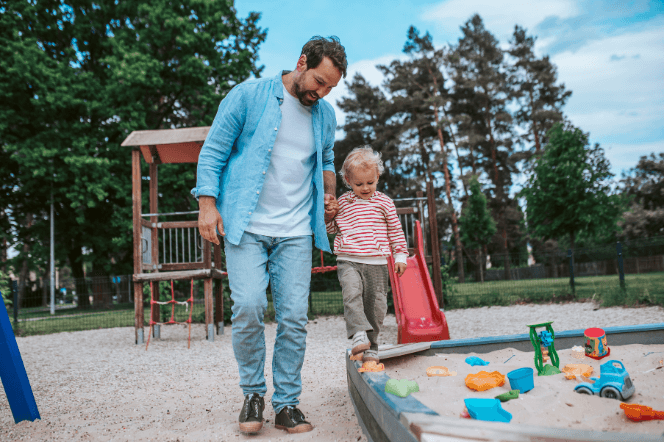
Why Your Toddler Won’t Listen to Dad
Many fathers feel frustrated when their toddler ignores them but listens to others. This article explains why it happens and how to respond without damaging connection.
Read more
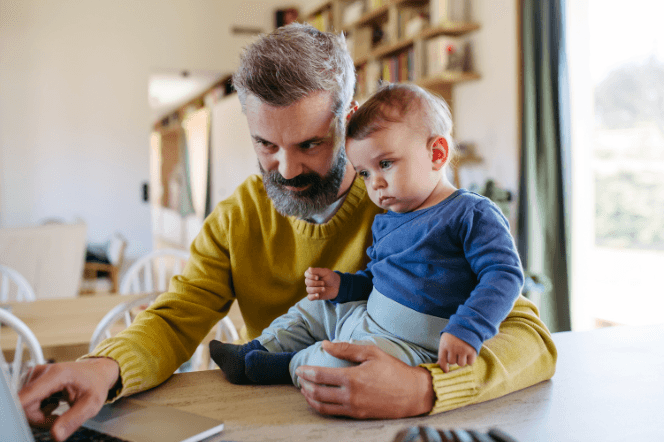
Why Toddlers Behave Differently With Dads | Father–Child Bond Explained
Many fathers notice their toddler behaves differently with them than with their mother. This article explains why that happens, what it says about attachment, and how dads can build a strong emotional bond during early childhood.
Read more
How Dads Create Emotional Safety for Their Children
Emotional safety shapes how children see themselves and the world. This long-form narrative explores how fathers create trust, resilience, and calm through everyday presence and emotional consistency.
Read more